How Long Do Water Heaters Last on Valley Water?
How long do water heaters last in the Valley? A. O. Smith and Rheem both put a typical tank at 8 to 12 years; hardness, sediment and a worn anode rod decide where yours lands.
Call sheet: what this page covers
Before you scroll
- Tank water heaters typically last 8-12 years, according to both A. O. Smith and Rheem.
- Hardness in 2025: LADWP's Valley sources ran 103-140 mg/L (6-8 gpg), while Burbank's supply came in near 286 mg/L, or 16.7 gpg.
- Rheem lists hard water, heavy demand and skipped maintenance as the things that speed up wear.
- A. O. Smith's manual says to inspect the anode rod after at most three years, then yearly; Rheem suggests replacing it every 3-4 years.
- Rheem's rule of thumb: if a repair costs more than 50% of a new unit, replacement is usually the better choice.
- Water leaking from the tank body itself usually means replacement, Rheem says; valve or fitting leaks may be fixable.
How long do water heaters last on average?
A standard tank water heater lasts about 8 to 12 years. A. O. Smith's repair page says "traditional tank models typically last 8-12 years," and adds that gas tanks may begin failing around 6-10 years while electric tanks last closer to 10-12. Rheem's lifespan article gives the same 8-12 range for tanks and 15-20 or more years for tankless units.
Those are maker figures for typical homes, not promises. Two neighbors with the same model can see very different lives, because the water, the temperature setting and the upkeep differ house to house.
How does hard water shorten water heater life?
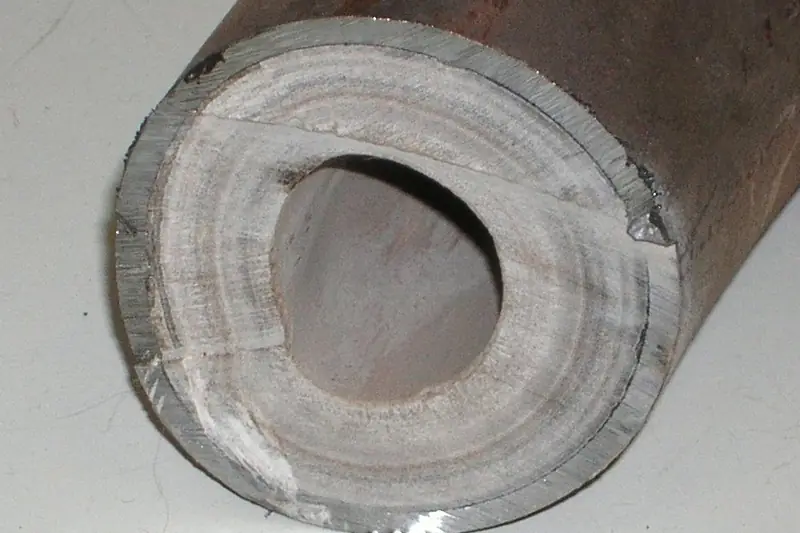
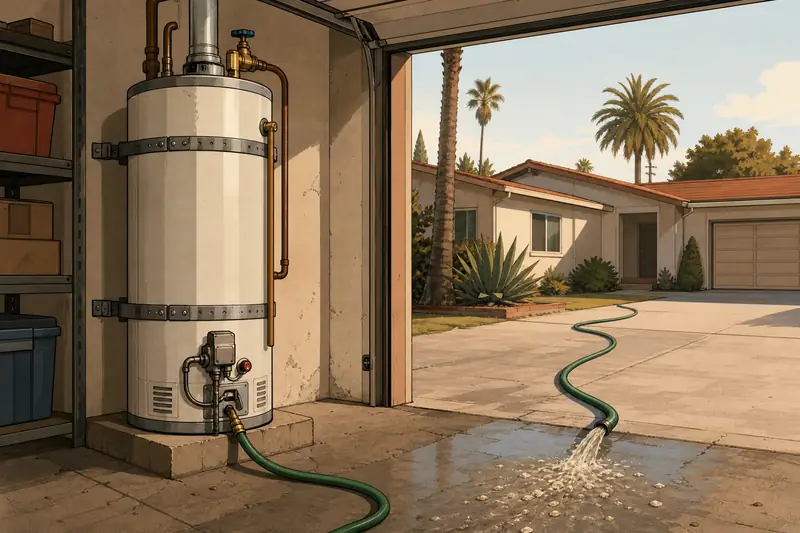
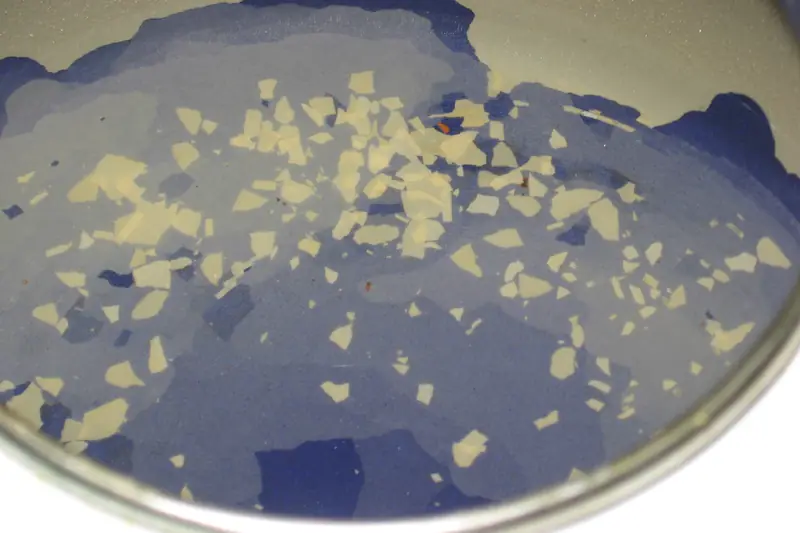
Hard water leaves calcium and magnesium minerals that settle on the tank floor as sediment, and that layer makes the burner or elements work harder. A. O. Smith's maintenance guide says sediment buildup "can reduce your water heater's energy efficiency" and raises the risk of leaks and bad smells; Rheem names hard water among the things that "accelerate wear."
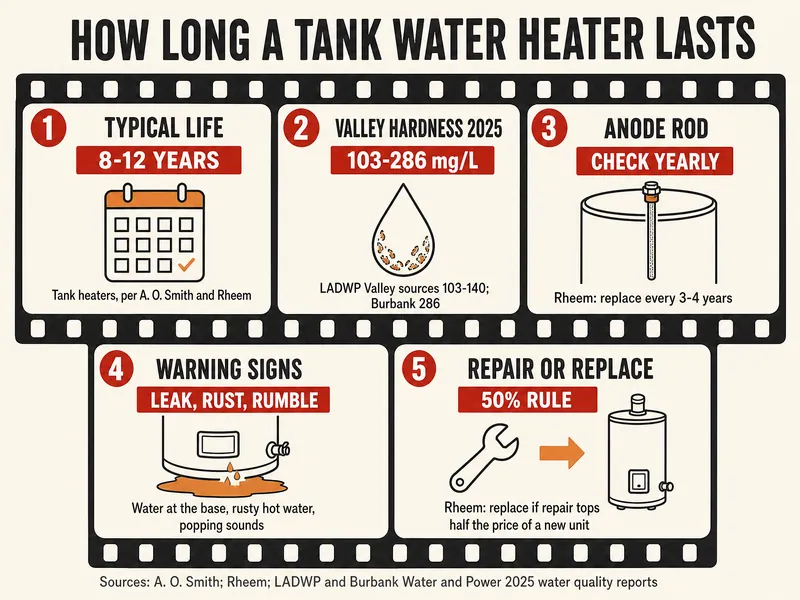
Valley water ranges widely. LADWP's 2026 water quality report (2025 data) puts its Valley sources between 103 and 140 mg/L, or 6 to 8 grains per gallon: lowest from the Aqueduct plant in Sylmar, highest from the Metropolitan Water District's Jensen plant. The USGS hardness scale calls that moderately hard at the low end and hard at the top. Reports print hardness in ppm, which is the same as mg/L.
Three Valley cities sit higher. Burbank's 2025 report (published June 2026) gives an average near 286 mg/L, printed as 16.7 gpg; San Fernando's city system reported 190 mg/L (11.1 gpg by conversion); and Glendale's groundwater treatment plant read 350 mg/L, near 20.5 gpg, before that water was blended with imported supply. Anything over 180 mg/L is very hard to the USGS. The Valley hardness page breaks this down by supplier.
| Where the water comes from | USGS class | Hardness, 2025 | Tank upkeep the makers suggest |
|---|---|---|---|
| LADWP via the Sylmar Aqueduct plant | Moderately hard | 103 mg/L (about 6.0 gpg) | Flush at least yearly (Rheem) |
| LADWP via MWD's Jensen plant | Hard | 140 mg/L (about 8.2 gpg) | Yearly, more often on hard water (A. O. Smith) |
| San Fernando city wells | Very hard | 190 mg/L (about 11.1 gpg) | Service twice a year (A. O. Smith checklist) |
| Burbank blended supply | Very hard | 286 mg/L (16.7 gpg printed) | Service twice a year (A. O. Smith checklist) |
| Glendale plant, unblended | Very hard | 350 mg/L (about 20.5 gpg) | Service twice a year (A. O. Smith checklist) |
What does the anode rod do?
The anode rod is a metal rod, usually magnesium, aluminum or zinc, that corrodes on purpose so the steel tank does not. A. O. Smith's residential manual explains that once the rod is depleted, "the tank will start to corrode, eventually developing a leak." Hotter settings, heavy use and water softening all wear it faster.
The manual says to inspect the rod after a maximum of three years and yearly after that, and yearly from the start on softened water. It calls a rod spent when most of its diameter is under 3/8 inch or about a third of its core wire shows. Rheem's simpler advice is to replace it every 3-4 years. Never pull the rod out for good: A. O. Smith says that voids the warranty.
One trade-off matters on hard water. The same manual warns that artificially softened water "is exceedingly corrosive" and that "the use of a water softener may decrease the life of the water heater tank." If you add a softener, as the softener page discusses, check the anode every year.
What are signs a water heater is failing?
The clearest sign is water leaking from the base of the tank. Rheem lists that, rusty or discolored hot water, and "persistent rumbling or popping sounds caused by hardened sediment on the tank floor" as signs a unit should be replaced rather than patched.
A. O. Smith's maintenance checklist adds smaller clues: water that no longer gets as hot, hot water that runs out sooner (sediment taking up tank space, or a weak element), and a rotten-egg smell from bacteria reacting with the anode. Some noise is normal; the manual says noises from metal parts expanding and contracting during heat-up and cool-down "do not necessarily represent harmful or dangerous conditions."
Repair or replace an aging heater?
Rheem's guidance is to repair a young unit and replace an old one with recurring problems. A heater under 6-8 years old with no tank corrosion and a repair well below half the price of a new one is usually worth fixing; one over 10 years with repeat failures usually is not. Its "50% rule" says replacement wins once the repair tops half the cost of a new unit.
Parts such as heating elements, thermostats, anode rods and T&P valves are made to be swapped. A leak from the tank shell is not repairable. A replacement needs a permit in Los Angeles (or a certified contractor's Certificate of Compliance) and in Burbank, and it must be strapped; the water heater straps page covers the rule, and a replacement is also a chance to weigh a heat pump water heater.
How do you read a heater's age from its label?
Look at the serial number on the rating plate on the tank's side. Rheem notes that "the manufacture date is often encoded in the unit's serial number," and each brand uses its own code, so the maker's site or support line can decode it.
While you are there, note the gallon size and fuel type from the same plate. Knowing the year lets you plan a replacement before a leak forces one, and it tells you whether a yearly flush is still worth starting.
Tank life in numbers
- 8-12 yearsTypical life of a tank water heaterRheem
- 286 mg/LBurbank's 2025 average hardness, printed as 16.7 gpgBWP annual water report, 2025 data
- 3 yearsLongest wait before a first anode inspectionA. O. Smith manual 185762
- 50%Repair cost, as a share of a new unit, where Rheem says replaceRheem
Where this page comes from
Sources behind these figures: A. O. Smith's repair and maintenance pages and its residential electric manual (part 185762), Rheem's lifespan article, the latest annual water reports (2025 data, issued in 2026) of all four Valley suppliers, and the USGS hardness scale, all read in October 2026. Not included: repair prices, a claim that any hardness level cuts a set number of years off a tank (no maker publishes one), and brand-by-brand serial number codes.
Still asking
Does a gas water heater last longer than an electric one?
Not by A. O. Smith's account. It says gas tanks may begin failing around 6-10 years, while electric tanks generally last closer to 10-12 years.
Will a water softener make my water heater last longer?
Not automatically. Softening cuts scale, but A. O. Smith's manual warns that softened water is very corrosive to the anode and may shorten tank life, so the rod needs a yearly check.
Is LADWP water hard enough to hurt a water heater?
In 2025 LADWP's Valley sources measured 103-140 mg/L, which USGS rates between moderately hard and hard. That is enough to form sediment, which is why the makers ask for at least a yearly flush.
Why does my hot water smell like rotten eggs?
A. O. Smith's manual traces the smell to hydrogen sulfide from a reaction with the anode rod. A different anode material may reduce it; removing the rod is not an option because it voids the warranty.
Is a 15-year-old water heater living on borrowed time?
Rheem says that past 10 years, the risk of leaks and sudden failure rises significantly, even if the unit still works. Plan the replacement rather than wait for the tank to fail.
How long do tankless water heaters last by comparison?
Rheem and A. O. Smith both put tankless units at about 15-20 years, provided they are descaled as their manuals require.
Should a leaking pressure relief valve mean a new heater?
No. A dripping temperature and pressure relief valve is a replaceable part, though A. O. Smith notes it can also signal thermal expansion that an expansion tank should handle.
That is the end of this page. Back to the Shutoff Valley front page.