- Location
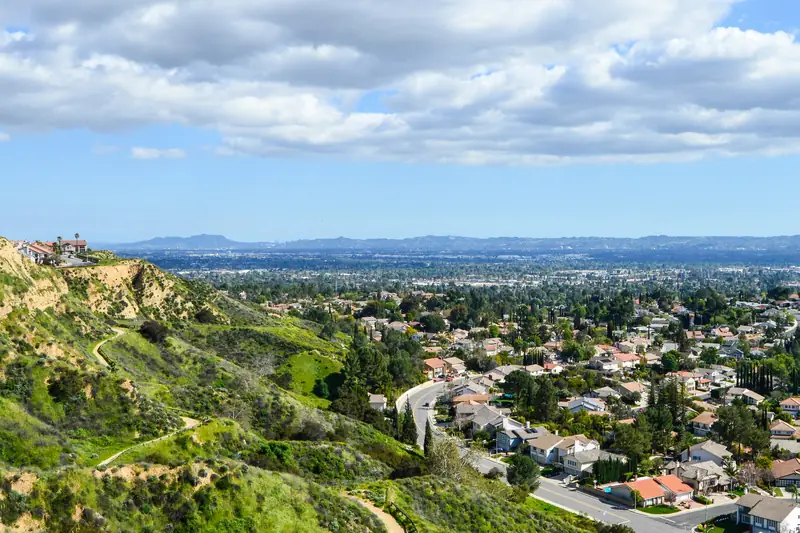
- San Fernando Valley
- Suppliers
- LADWP · Burbank · Glendale · San Fernando
San Fernando Valley Water, Pipes and Quake Prep
San Fernando Valley water shows no primary-standard violation in any of the four suppliers' 2025 reports; what changes from house to house is hardness, from about 6 gpg on LADWP water to 16.7 gpg in Burbank, and the age of the pipes.
Folder 01
Tap water
Who supplies your tap, how hard it is, chloramine, chromium-6, lead and the yearly report.
 Tap waterIs LA Tap Water Safe to Drink?
 Tap waterSan Fernando Valley Water Hardness by Supplier
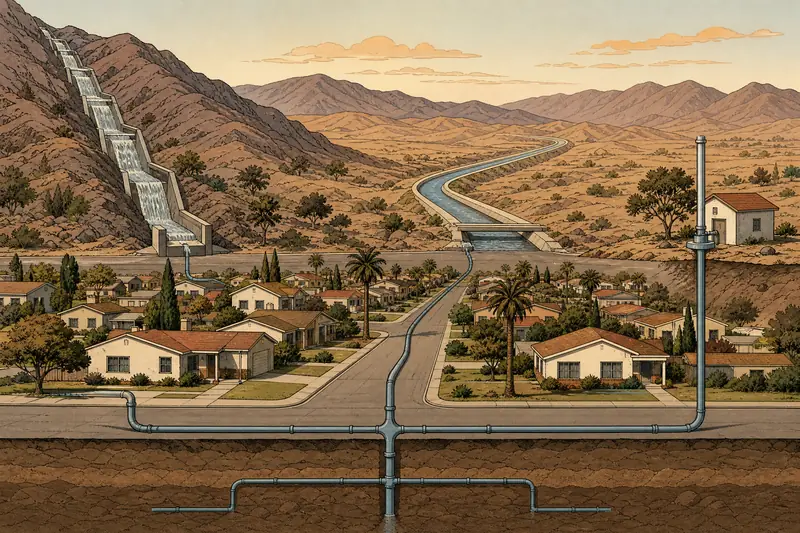 Tap waterWhere Does San Fernando Valley Water Come From?
 Tap waterChloramine in LADWP Water
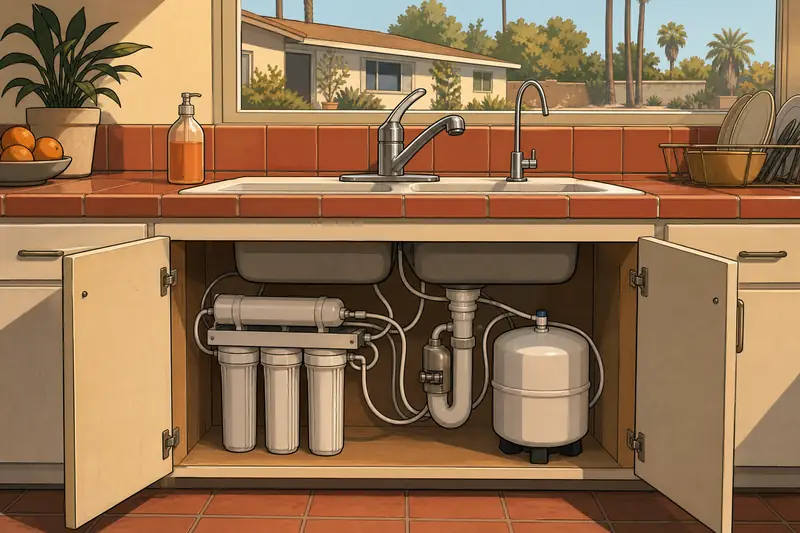 Tap waterChromium-6 in San Fernando Valley Water
 Tap waterLead in San Fernando Valley Tap Water
 Tap waterHow to Read Your Water Quality Report
Folder 02
Filters and softeners
When a softener, conditioner, carbon filter or RO unit makes sense, and what the rules allow.
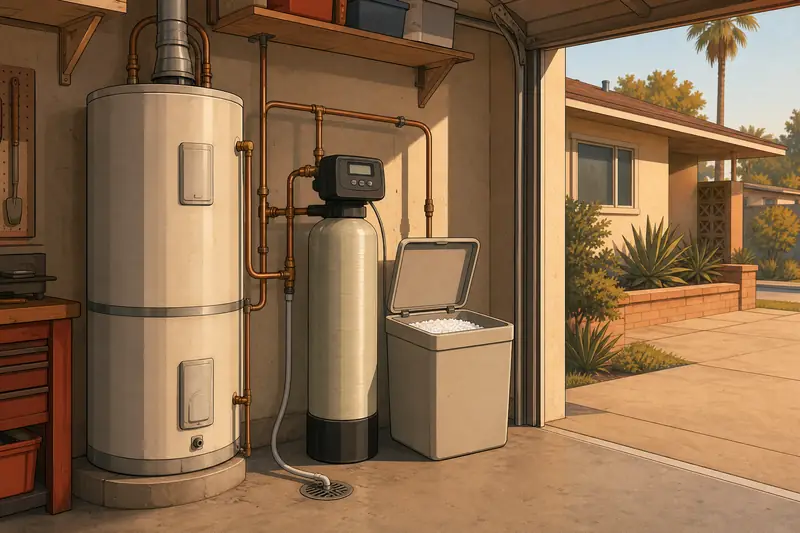 Filters and softenersDo You Need a Water Softener in the Valley?
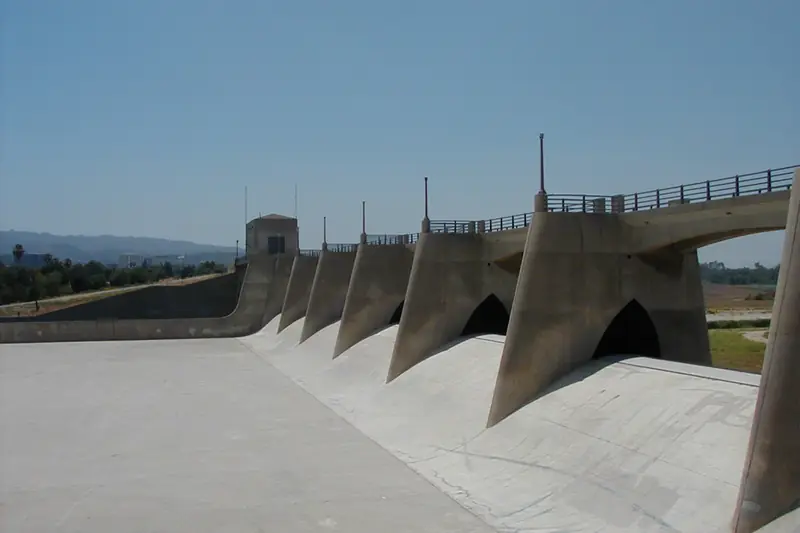 Filters and softenersAre Water Softeners Allowed in Los Angeles?
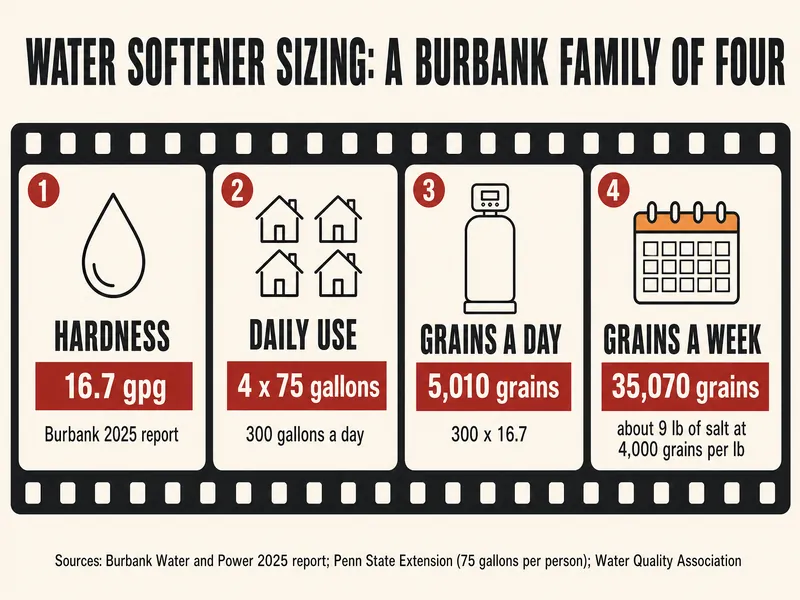 Filters and softenersWater Softener Sizing for Valley Water
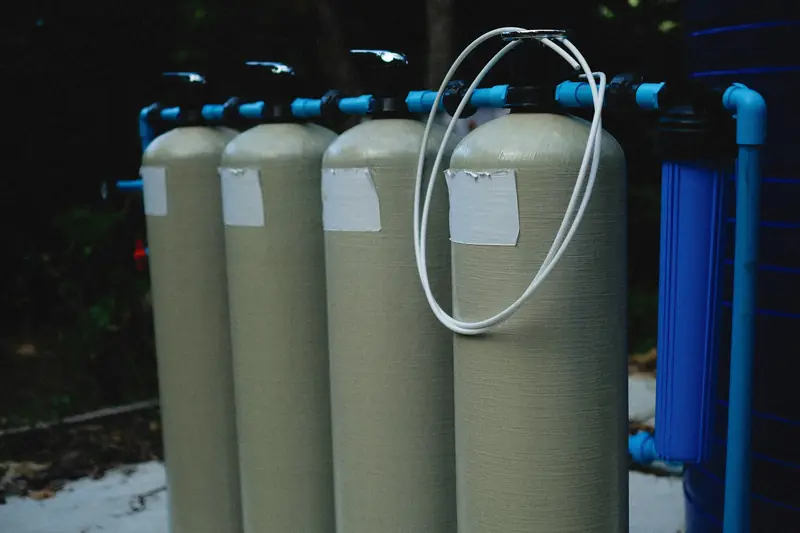 Filters and softenersSalt-Free Water Conditioners: What They Do
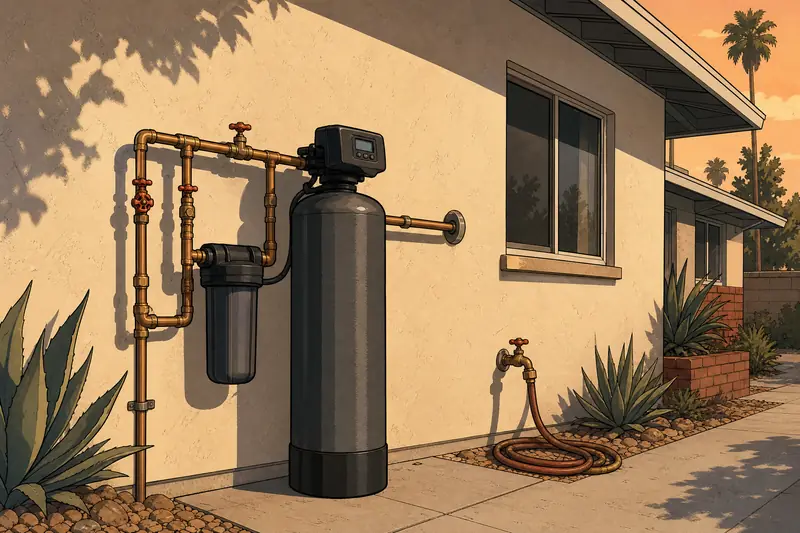 Filters and softenersChloramine Filters for Valley Homes
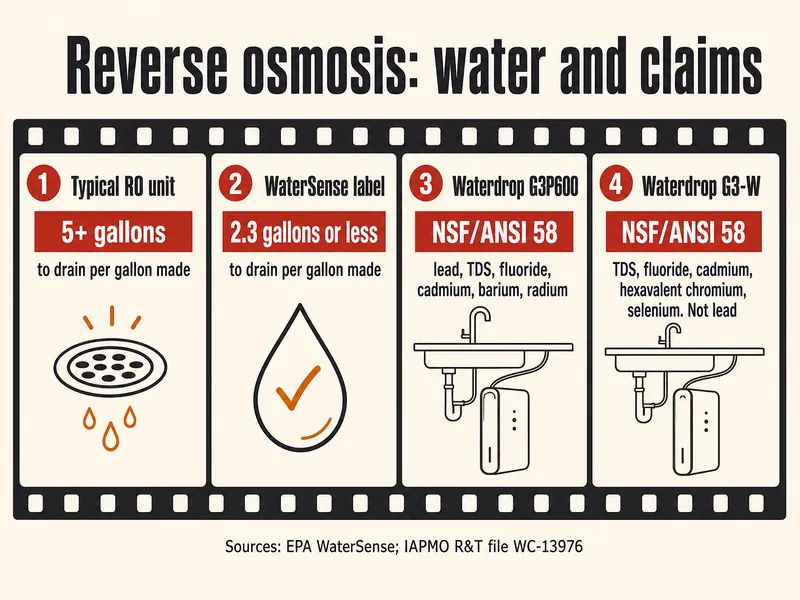 Filters and softenersUnder-Sink Reverse Osmosis for LA Tap Water
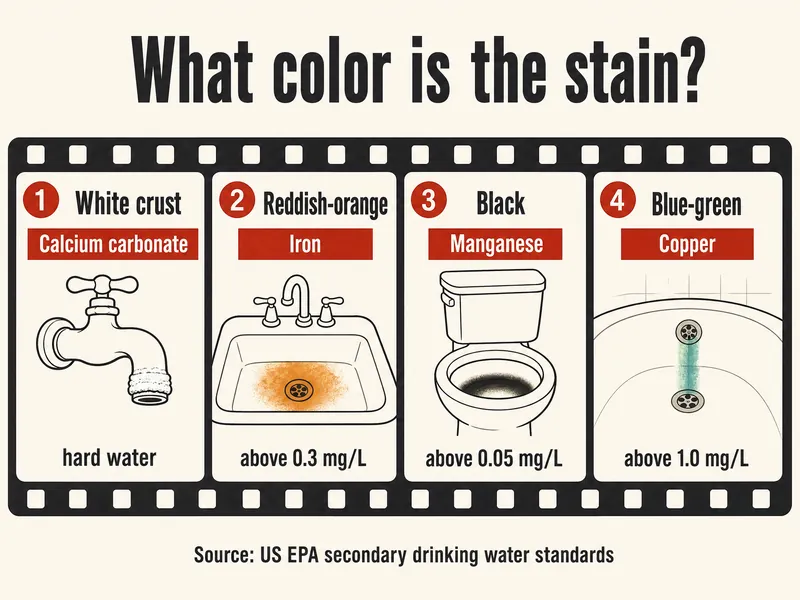 Filters and softenersHard Water Scale and Spots
 Filters and softenersTesting Tap Water at Home
Folder 03
Pipes and leaks
Galvanized lines, repiping, copper or PEX, pinholes, slab leaks, pressure and the sewer lateral.
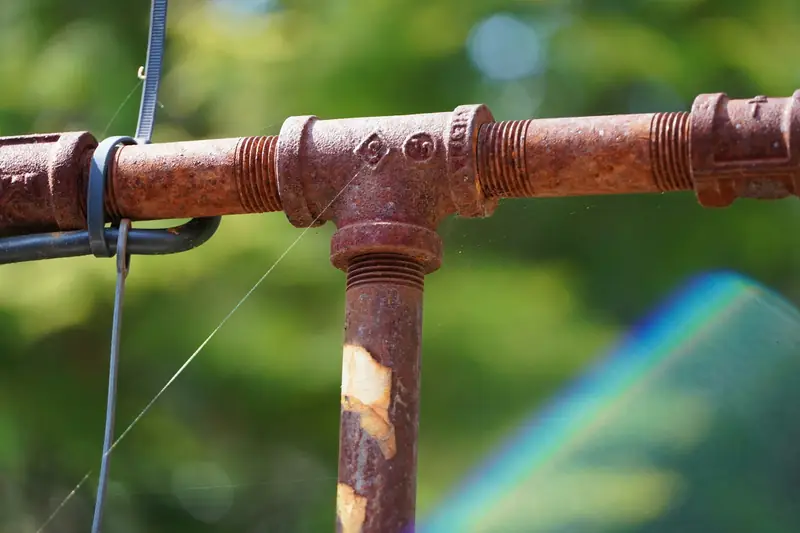 Pipes and leaksGalvanized Pipes in Older Valley Homes
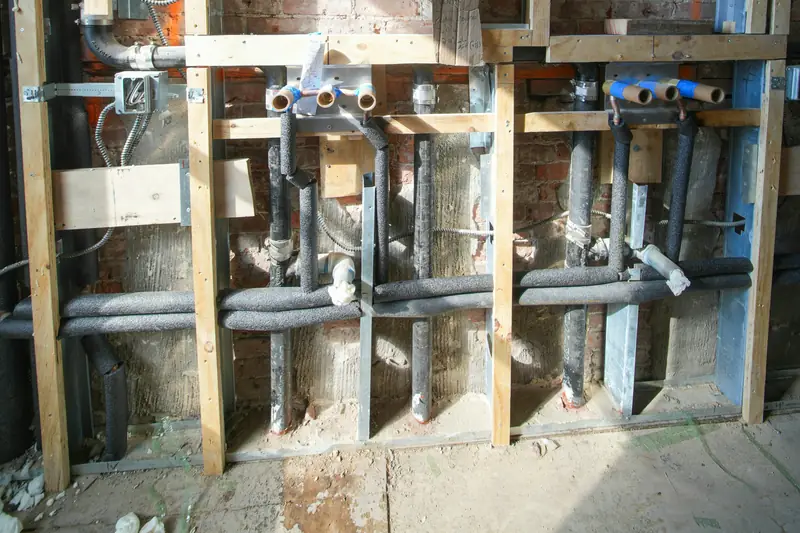 Pipes and leaksRepiping a House in Los Angeles
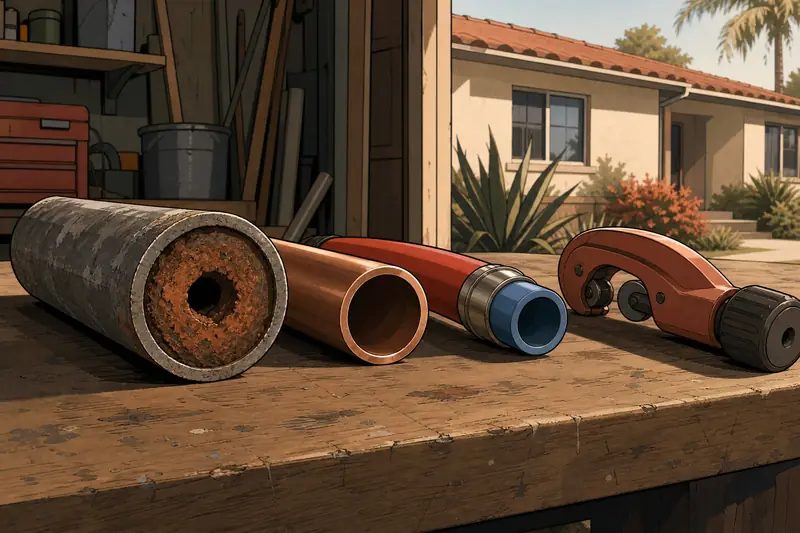 Pipes and leaksCopper vs PEX for Valley Homes
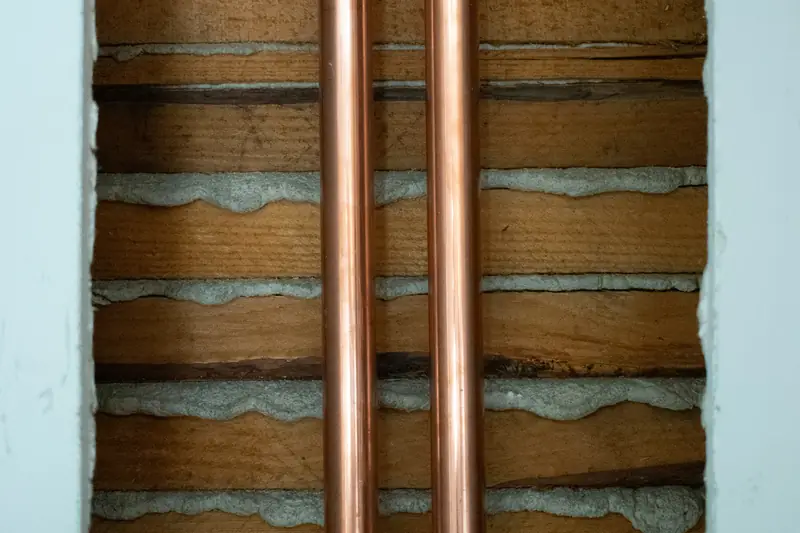 Pipes and leaksPinhole Leaks in Copper Pipes
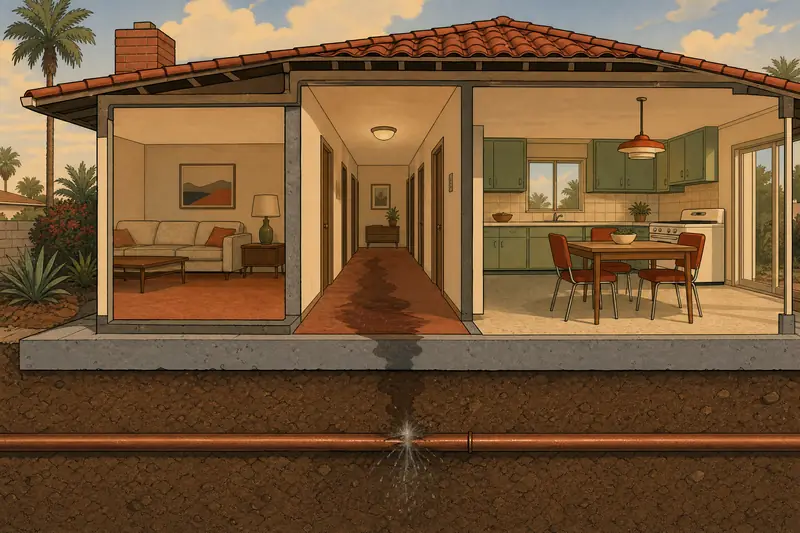 Pipes and leaksSlab Leaks in San Fernando Valley Homes
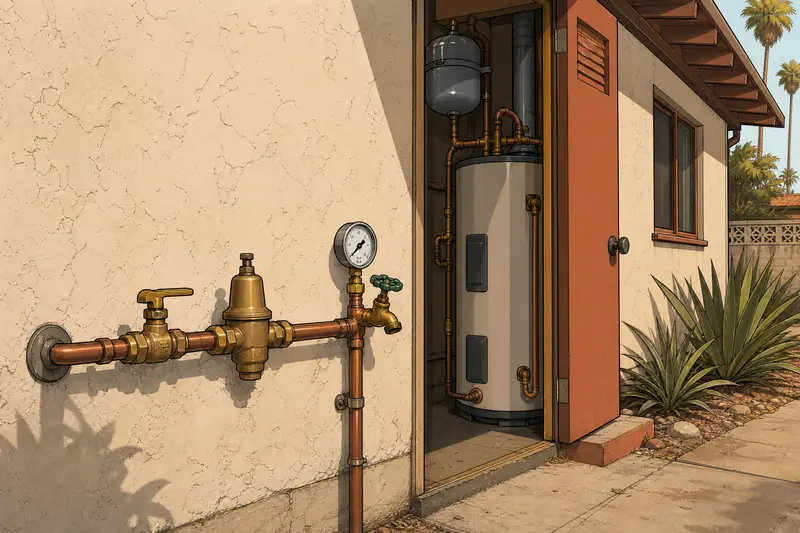 Pipes and leaksWater Pressure Regulators: Checking and Adjusting
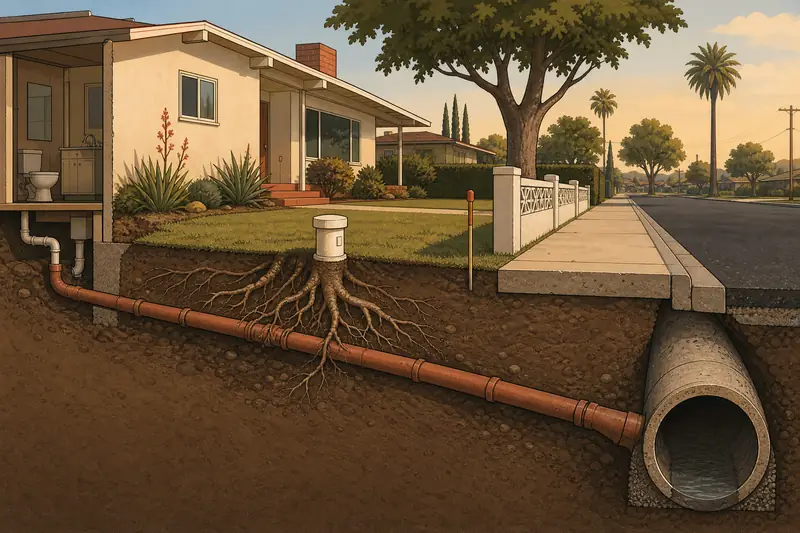 Pipes and leaksWho Owns the Sewer Lateral in Los Angeles?
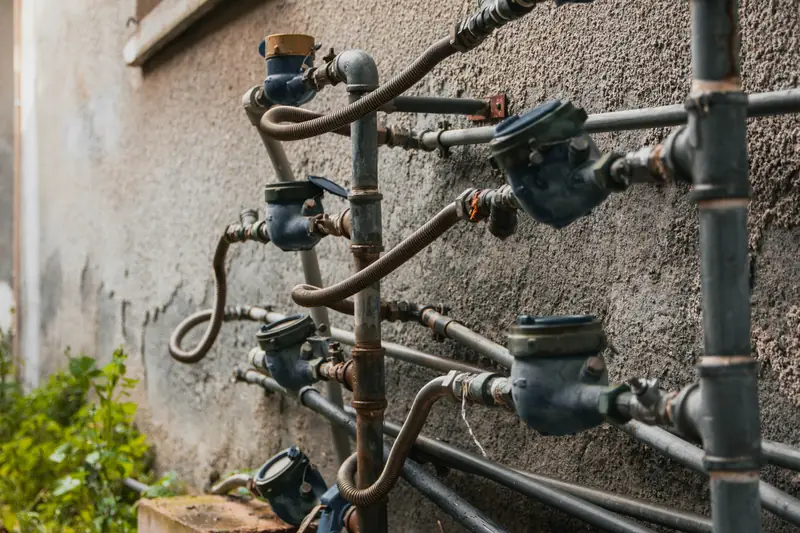 Pipes and leaksFinding Hidden Water Leaks at Home
Folder 04
Water heaters
California's strap rule, scale and tank life, flushing, tankless descaling and heat pump rebates.
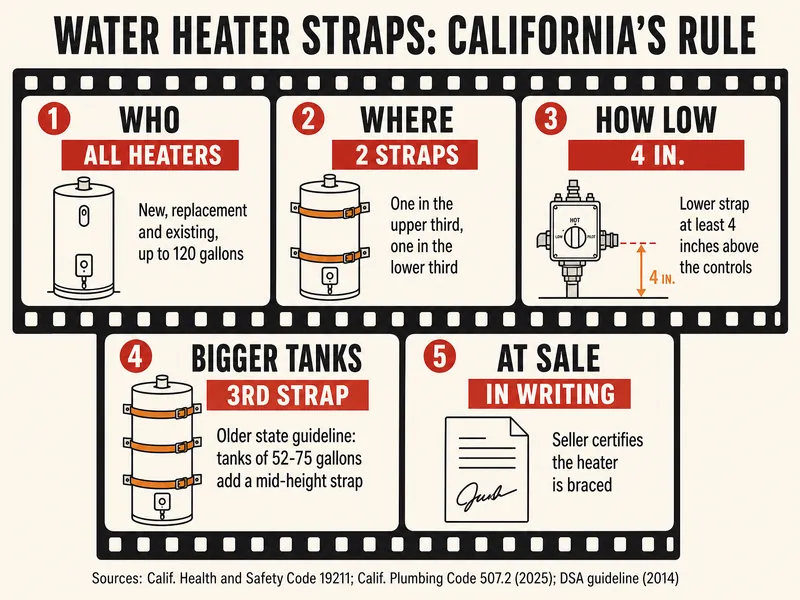 Water heatersWater Heater Straps: California's Rules
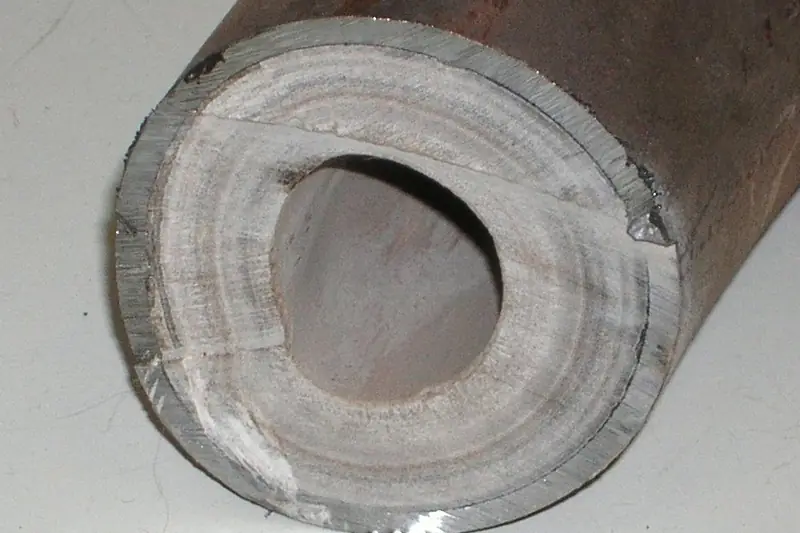 Water heatersHow Long Do Water Heaters Last on Valley Water?
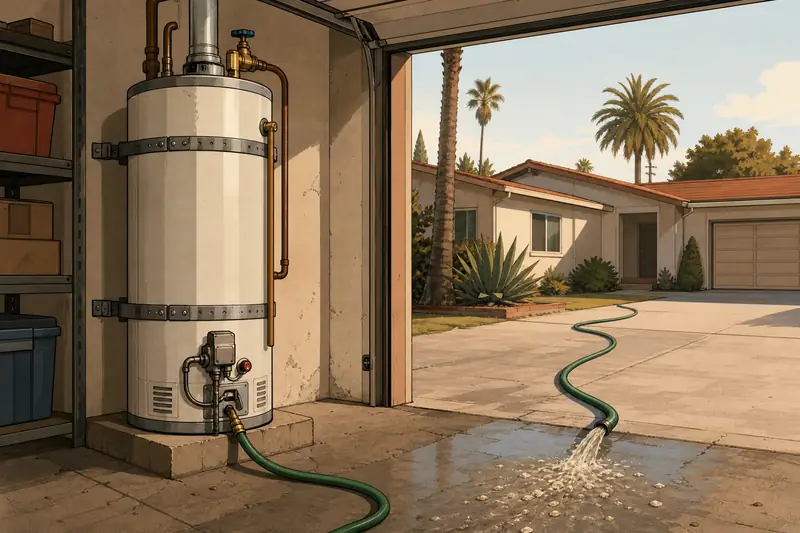 Water heatersFlushing a Water Heater on Hard Water
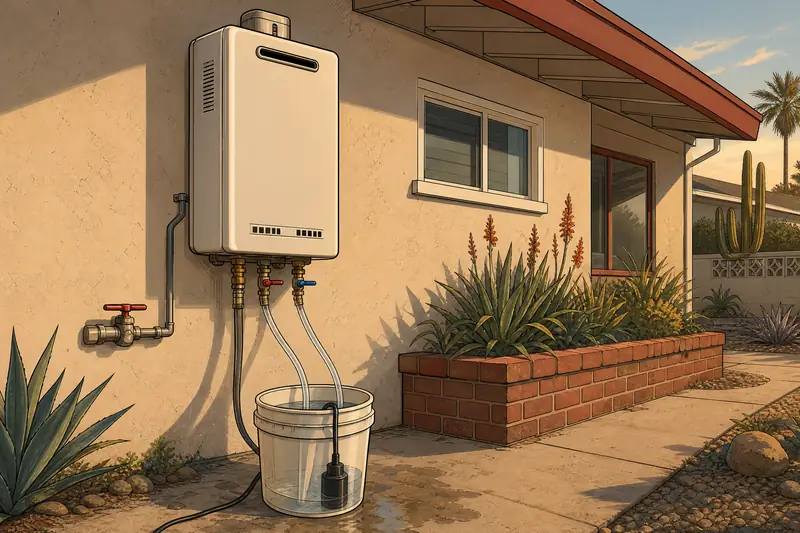 Water heatersDescaling a Tankless Water Heater
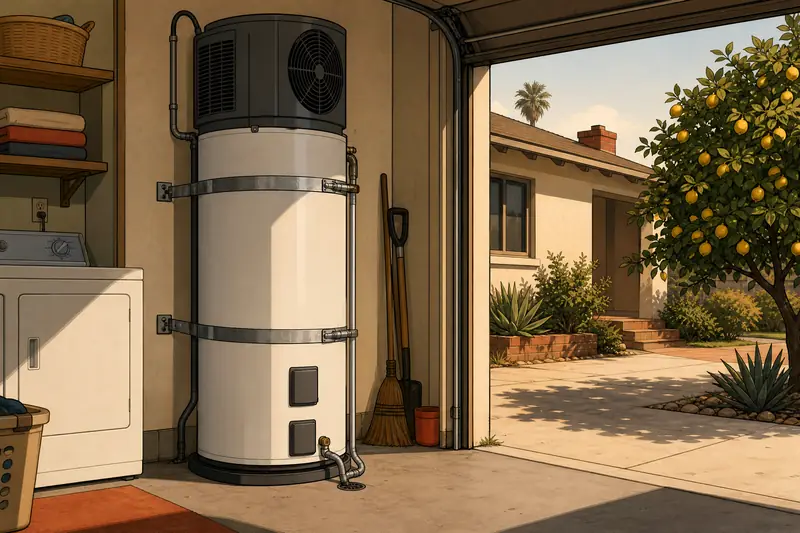 Water heatersHeat Pump Water Heaters in the Valley
Folder 05
Quake-ready plumbing
Find the shutoffs, LA's seismic gas valve rule, stored water and the checks after shaking.
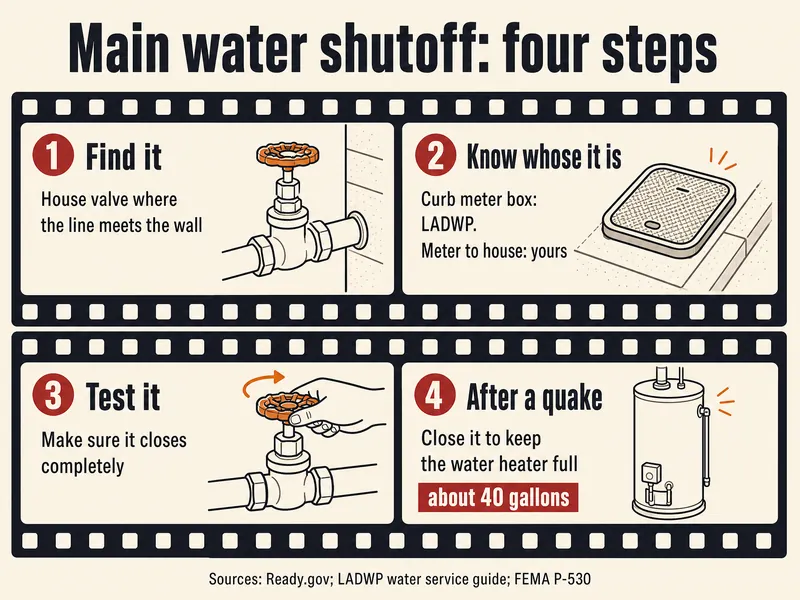 Quake-ready plumbingFind the Main Water Shutoff in a Valley Home
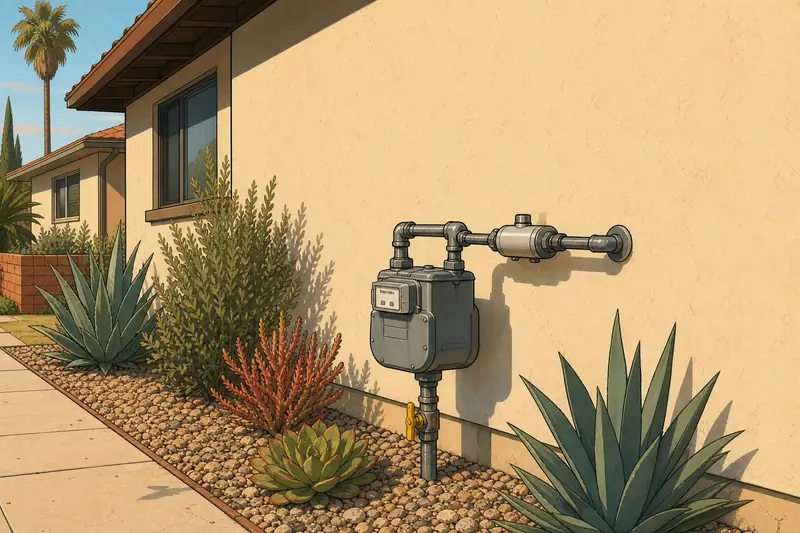 Quake-ready plumbingSeismic Gas Shutoff Valves in Los Angeles
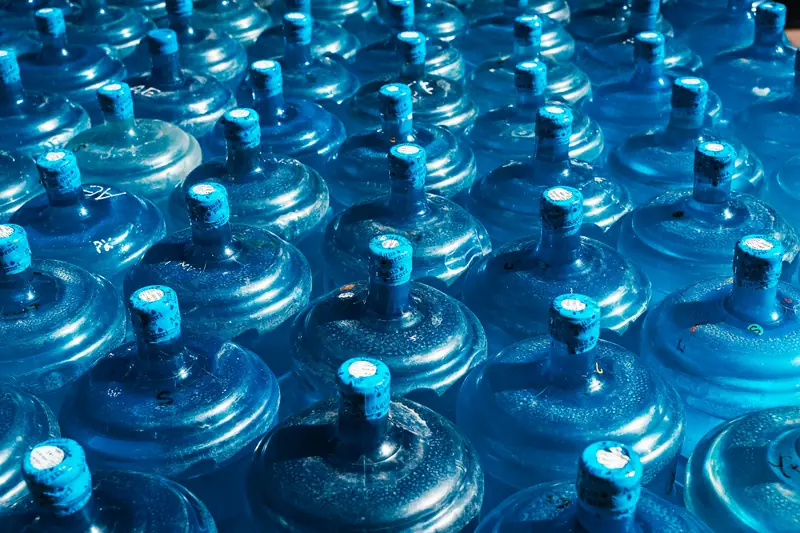 Quake-ready plumbingEmergency Water Storage for Earthquakes
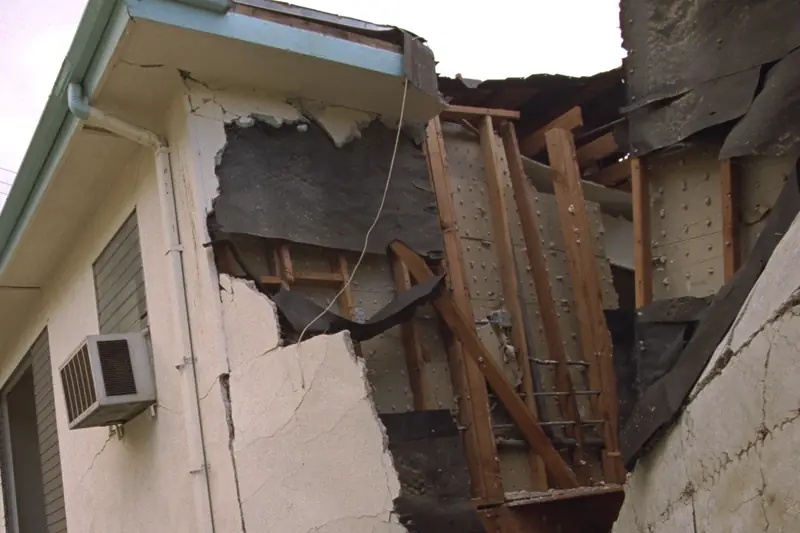 Quake-ready plumbingPlumbing Checks After an Earthquake
Before you scroll
- Four suppliers serve the Valley: LADWP in the City of Los Angeles neighborhoods, plus three city-run systems in Burbank, Glendale and San Fernando, each publishing its own yearly report.
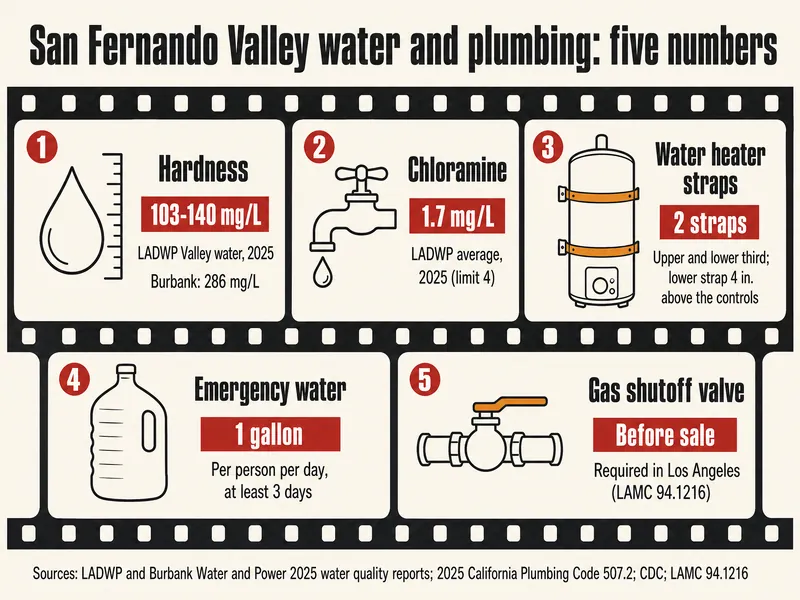
- LADWP's Valley water averaged 103 to 140 mg/L of hardness (6 to 8 gpg) in 2025; Burbank's averaged 286 mg/L (16.7 gpg), per the 2025 Burbank report.
- LADWP reports no lead service lines, including the customer-owned part, after an inventory finished in October 2024.
- California law requires every residential water heater up to 120 gallons to be braced or strapped, and sellers must certify it in writing.
- In Los Angeles, a seismic or excess-flow gas shutoff valve is required before a home is sold, under LAMC 94.1216.
- The CDC's baseline for stored water is 1 gallon per person per day for at least 3 days; LA's emergency managers suggest up to 7.
Shutoff Valley is a reading site for Valley homeowners and renters about the water that reaches the tap and the pipes, heaters and valves that carry it through the house. It is not a plumbing company, a utility or an agency, and it has no tie to any of the four suppliers: LADWP, the Burbank and Glendale city utilities, and the City of San Fernando. Every figure here comes from those suppliers' 2026 reports (calendar 2025 data), California code, or a federal agency, with the date shown.
Who supplies water in the San Fernando Valley?
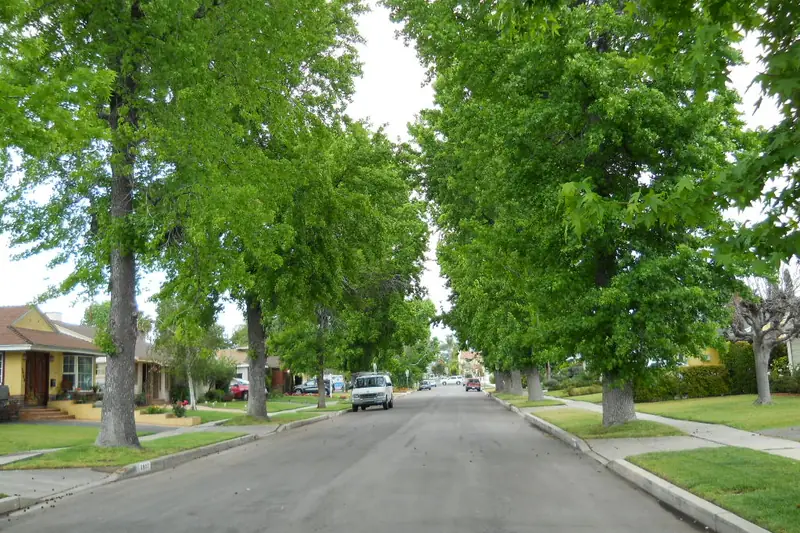
San Fernando Valley water comes from four public suppliers, and your address decides which one. LADWP serves the City of Los Angeles side of the Valley; its 2025 water quality report lists 30 Valley communities, among them Van Nuys, North Hollywood, Sherman Oaks, Reseda, Northridge, Sylmar and Woodland Hills. Burbank, Glendale and the small City of San Fernando run their own systems.
The sources differ more than the names suggest. LADWP's 2025 water was 44% Los Angeles Aqueduct, 52% bought from the Metropolitan Water District, 3% recycled and 1% local groundwater. Glendale drew 31.3% from the San Fernando groundwater basin, and San Fernando pumps wells in the Sylmar Basin. The tap water folder and the water sources page follow each supply from mountain or well to meter.
How hard is San Fernando Valley water?
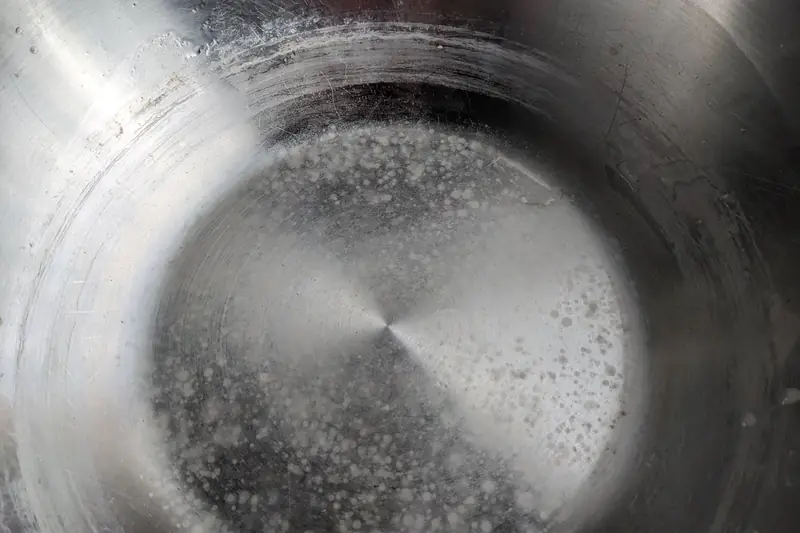
Hardness in San Fernando Valley water runs from moderately hard to very hard, depending on the supplier. On LADWP water, 2025 averages were 103 mg/L at the aqueduct filtration plant, 140 in MWD Jensen water and 115 from the northern wells, roughly 6.0 to 8.2 gpg. Burbank's blend came in at 286 mg/L (16.7 gpg), and San Fernando's own wells at 190 mg/L, roughly 11.1 gpg.
Glendale has no single figure: its groundwater plant measured 350 mg/L and the imported water it buys 140 to 234 mg/L. On the USGS hardness scale, anything above 180 mg/L is very hard. Hardness is about scale on fixtures and heaters, not safety, which the City of San Fernando's report states plainly. The hardness page breaks it down by source.
| Supplier | Main water today | Lead at taps, 90th percentile (2023) | Disinfectant, 2025 average | Hardness, 2025 |
|---|---|---|---|---|
| LADWP, Valley neighborhoods | Aqueduct and MWD water, some wells | 3.9 ppb | chloramine, 1.7 mg/L as total chlorine | 103 to 140 mg/L, about 6 to 8 gpg |
| Burbank (BWP) | MWD water blended with treated local wells | ND | chloramine, 2.1 ppm | 286 mg/L, 16.7 gpg |
| Glendale (GWP) | 63.3% imported, 31.3% basin groundwater | ND | chlorine and chloramine, 1.25 ppm | 140, 234 or 350 mg/L, by source |
| San Fernando (city wells) | Sylmar Basin wells | 2.3 ppb | chlorine, chloramine when on MWD water | 190 mg/L, about 11.1 gpg |
Is San Fernando Valley tap water safe to drink?
By the 2025 reports, yes: none of the four suppliers reported a violation of a primary, health-based standard. Chloramine keeps the water disinfected on its way to you; LADWP's residual averaged 1.7 mg/L against a limit of 4. LADWP tells dialysis patients and owners of aquariums or fish ponds to take it out first.
The open questions sit on your side of the meter. LADWP's water quality page reports no lead service lines anywhere in its system, yet 3 of 105 homes sampled in 2023 topped 15 ppb because of solder and brass inside them. Read the safety results, the lead page and the chloramine page for the details.
What should owners of older Valley homes know about their pipes?
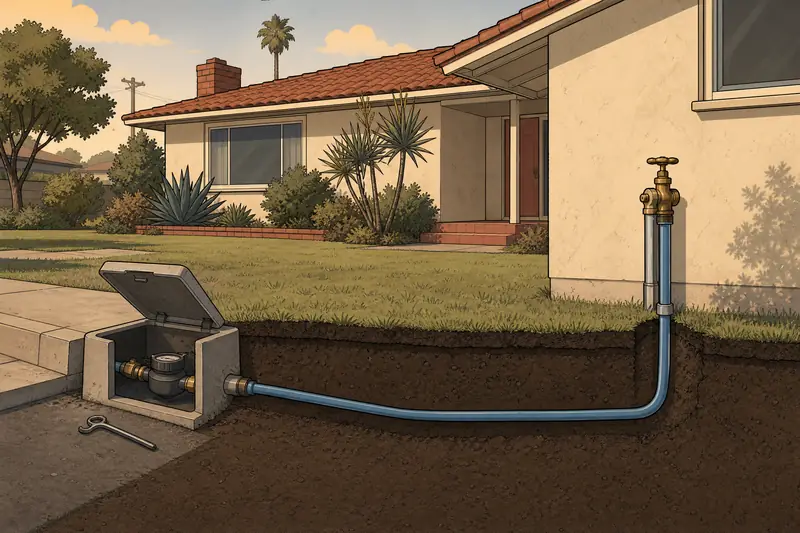
Know where your responsibility starts: at the meter box near the curb. LADWP's water service guide puts every pipe on the house side of the meter on the customer, so the buried service line and the house shutoff valve are yours. The 2025 California Plumbing Code allows copper, PEX, CPVC and galvanized steel, among others, for water lines inside a house.
Old galvanized pipe rusts inside, and EPA notes that lead particles can cling to its walls where lead once ran upstream. Pressure matters too: the 2025 California Plumbing Code calls for a regulator once static pressure from the street goes above 80 psi. Leaks add up quietly: the average household loses more than 9,300 gallons a year to leaks, according to EPA's WaterSense leak page.
For repairs, a contractor needs a C-36 plumbing license, which you can check with the Contractors State License Board. The pipes folder covers galvanized lines, repiping, slab leaks and pressure regulators.
Valley numbers in brief
- 286 mg/LHardness of Burbank's blended tap water, 2025 average, about 16.7 gpgBWP water quality report, 2025 data
- 1.7 mg/LLADWP chloramine residual, 2025 average, against a 4 mg/L ceilingLADWP 2025 water quality report
- 120 galLargest residential water heater covered by California's bracing lawCalifornia Health and Safety Code § 19211
- 1,400Leaks in LADWP's pipes after the 1994 Northridge earthquake, by LADWP's estimateNIST GCR 98-743
- 9,300 galWater wasted a year by leaks in an average householdU.S. EPA WaterSense
What does California require for water heaters?
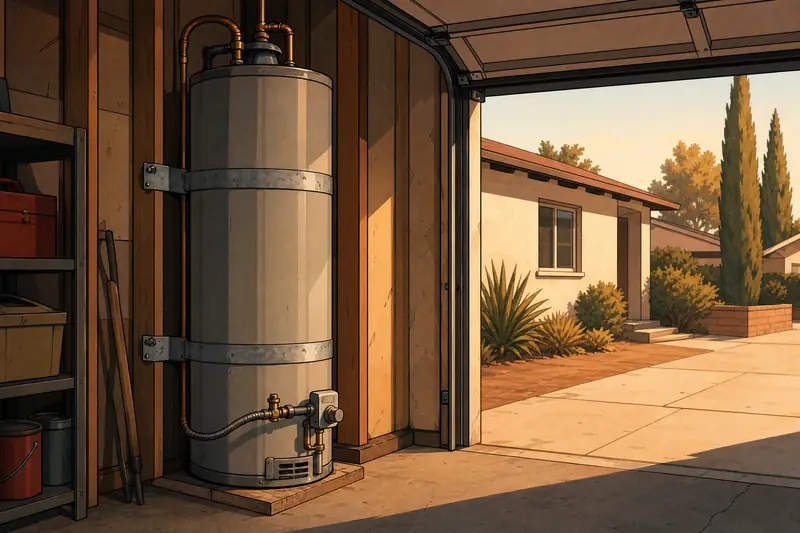
California requires that every new, replacement and existing residential water heater up to 120 gallons be braced, anchored or strapped against earthquake motion, under Health and Safety Code § 19211. A seller must certify that in writing. The 2025 Plumbing Code puts the straps in the upper third and lower third of the tank, with the lower one at least 4 inches above the controls.
Tank heaters typically last about 8 to 12 years, according to A. O. Smith and Rheem, and A. O. Smith suggests servicing twice a year on hard water. The Department of Energy suggests a setting of 120°F. LADWP lists heat pump water heater rebates of $1,500 to $2,500 for installs on or after November 1, 2025 (as listed in October 2026; check before buying), while the federal tax credit ended with 2025 installs. The water heater folder covers straps, flushing, tankless descaling and heat pumps.
What should every Valley home do before the next earthquake?
Four jobs cover most of it: strap the water heater, learn to close the main water valve, store water, and know the rules for your gas line. The January 17, 1994 Northridge earthquake, magnitude 6.7, shook the Valley hard for 10 to 20 seconds and left about 1,400 leaks in LADWP's system and gas outages for some 151,000 customers, according to USGS and NIST.
Ready.gov says to shut the house valve, not the street valve in the curb box, if pipes break. The CDC's baseline is 1 gallon per person per day for at least 3 days, and a strapped tank heater holds about 40 usable gallons, per FEMA. In Los Angeles, LAMC 94.1216 requires a seismic or excess-flow gas shutoff valve before a sale, for alterations valued over $10,000 and for gas meter work; it goes on the house piping, not the meter. If you shut the gas off at the meter, SoCalGas turns it back on.
No matching rule was found for Burbank or Glendale, so ask their building departments. The quake folder walks through each step and what to check after the shaking stops.
When do filters or softeners make sense here?
When they solve a problem you have measured. A softener is a comfort and scale choice on LADWP's moderately hard water and a stronger case on Burbank, Glendale or San Fernando water. A drinking-water filter earns its place when it is certified for the exact contaminant you want to reduce, such as lead.
Salt softeners face no rule in the San Fernando Valley that this site could find, but the Los Angeles County Sanitation Districts ban automatic salt softeners throughout the Santa Clarita Valley, where installation has been barred since 2003; check with your city before installing one. The filters folder compares softeners, salt-free conditioners, carbon filters and reverse osmosis, and how to test your water first.
Where this page comes from
The home page draws on the 2026 water quality reports (2025 data) of LADWP, Burbank, Glendale and San Fernando, LADWP's water quality page and water service guide, the USGS hardness scale, the 2025 California Plumbing Code, the state's water heater bracing law (§ 19211), LAMC 94.1216, EPA WaterSense, CDC and FEMA preparedness guidance, USGS and NIST reports on the Northridge earthquake, and LADWP's rebate page, each read in October 2026. Left out on purpose: repair prices, galvanized pipe lifespans and any ranking of utilities or contractors, because no primary source supports them.
Still asking
Is Shutoff Valley connected to LADWP or the city?
No. Shutoff Valley is a reading site with no link to LADWP, the Burbank or Glendale utilities, or the City of San Fernando. For billing, outages or a test of your water, go to your supplier directly.
Do Calabasas or Hidden Hills homes get the same water?
Not necessarily. They are served by other suppliers, so read that supplier's own yearly report; the figures on this site cover LADWP's Valley neighborhoods, Burbank, Glendale and San Fernando.
Which part of the Valley has the hardest tap water?
In the 2025 reports, Glendale's groundwater plant measured 350 mg/L and Burbank's blended water 286 mg/L, both very hard. LADWP's Valley sources averaged 103 to 140 mg/L.
Who pays to fix the pipe from the meter to my house?
The owner does. LADWP's guide places that buried line on the customer's side, so a leak there is a job for you and a licensed plumber, not the utility.
Can a homeowner do their own plumbing in Los Angeles?
Within limits. LA's code lets an owner who lives in a single-family home do plumbing work on it with a permit, subject to conditions, and most plumbing work needs a permit from LADBS.
Is it safe to drink water from the water heater after a quake?
The CDC lists a home water heater tank as a usable indoor source when no bottled or treated water is available. The FEMA and Red Cross booklet says to turn off the gas or power first, then draw from the drain valve.